I Kissed Santa Claus Svg Graphics and Crafts Review
In the world of digital publishing, visual assets are not merely decorative; they are functional tools that dictate user engagement, brand perception, and content hierarchy. As a blog designer who has spent years curating editorial layouts for high-traffic lifestyle and affiliate sites, I approach every new design file with a critical eye. Does it load quickly? Does it scale well across mobile devices? Does it convey the right emotional tone without cluttering the reading experience?
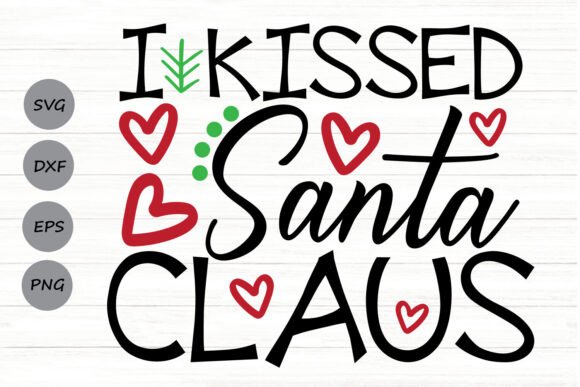
This review focuses on I Kissed Santa Claus Svg, a seasonal graphic asset designed for creators in the crafts and holiday niches. While marketed heavily toward cutting machines like Cricut or Silhouette, its utility extends far beyond physical merchandise. For digital publishers, this SVG represents a versatile component for enhancing editorial aesthetics during the peak holiday season. Below is an analysis of how this design fits into a professional content workflow.
First Impressions: Editorial Mood and Visual Identity
When you first import I Kissed Santa Claus Svg into your design software, the immediate takeaway is its playful yet clean aesthetic. The typography suggests a lighthearted, festive mood that aligns perfectly with lifestyle blogs, family-oriented newsletters, and creative small business branding. Unlike overly complex illustrations that can distract from core messaging, this design relies on strong letterforms and simple graphical elements, making it highly adaptable.
The visual hierarchy is straightforward, which is crucial for web design where attention spans are short. It feels modern and uncluttered, avoiding the "busy" look that often plagues amateur holiday graphics. This cleanliness ensures that when used as a header or featured image element, it supports the text rather than competing with it. For readers, this creates a sense of polish and professionalism, reinforcing trust in the content creator’s authority.
Integrating Design Assets into Real Publishing Workflows
One of the most significant advantages of using vector-based files like Santa Claus Svg formats (SVG, DXF, PNG, EPS) is their scalability. In a real-world publishing scenario, you might need the same graphic to appear as a tiny icon next to a sidebar post and as a large banner at the top of a Pinterest pin. Because these files are ready to be used with any cutting machine or program that supports vector graphics, they maintain crisp edges regardless of size.
Here is how this asset integrates into specific content marketing strategies:
- Pinterest Pins and Social Media Graphics: Holiday traffic spikes significantly on visual platforms. Using I Kissed Santa Claus Svg as a central element in your pin designs can increase click-through rates by signaling relevance and festivity immediately. Its bold nature stands out against busy feeds.
- Blog Featured Images and Headers: When updating your site’s theme for December, replacing generic icons with this custom graphic adds a layer of curated care. It signals to returning visitors that the content is timely and updated.
- Digital Guides and Lead Magnets: If you are creating a downloadable Christmas checklist, recipe eBook, or holiday gift guide, incorporating this SVG into the cover design elevates the perceived value of the freebie. It transforms a simple PDF into a branded digital product.
- Email Newsletter Banners: A consistent visual identity builds subscriber loyalty. Using this graphic in your monthly holiday newsletter headers helps maintain brand recognition while adding seasonal warmth.
Enhancing Content Performance Through Visual Hierarchy
Good editorial design is about guiding the reader’s eye. By strategically placing I Kissed Santa Claus Svg near key calls-to-action or article titles, you create a stronger visual anchor. This technique improves readability and encourages users to engage with the content deeper.
Furthermore, consistency in design assets contributes to a cohesive brand identity. If your website uses a specific color palette or font style, ensuring this SVG complements those elements prevents visual dissonance. A polished look directly correlates with reader trust; users are more likely to share content that appears professionally maintained. For affiliate marketers, this trust is currency, as it increases the likelihood of conversions on recommended products.
Strategic Placement and Contextual Fit
While this asset is versatile, it does not fit every context. Understanding where it thrives—and where it should be avoided—is key to effective web design.
Where It Works Best:
- Holiday Category Thumbnails: Use it to visually distinguish Christmas-related posts from year-round content.
- Website Header Accents: Place it subtly in the corner of your desktop header to add seasonal flair without disrupting navigation.
- Printable Designs: Since the file includes DXF and SVG formats, it is ideal for users who want to print physical tags, ornaments, or cards linked from your blog.
- Canva Templates: Offer pre-made social media templates featuring this graphic to your audience, providing extra value and encouraging shares.
Where To Use With Caution:
- Small Mobile Thumbnails: At very small resolutions, intricate text details may blur. Always test the legibility on mobile screens before publishing.
- Serious Professional Niches: If your site covers corporate finance or legal advice, this playful graphic may undermine your professional tone. Reserve it for lifestyle, family, or creative sections.
- Low-Contrast Backgrounds: Ensure the graphic pops against your background color. A light-colored SVG on a white background will disappear, hurting usability.
Practical Publisher Notes for Implementation
Before integrating Funny Christmas Svg elements into your live site, follow these technical checks to ensure optimal performance:
Test Across Devices: Preview your layout on both desktop and mobile. Check how the graphic interacts with headline text. Does it overlap? Is there enough padding? Proper spacing enhances readability and aesthetic balance.
Font Pairing: Experiment with different typefaces alongside the graphic. Try pairing it with a classic serif font for an elegant look, or a bold sans-serif for a modern feel. Avoid mixing too many script or handwritten fonts, which can create visual chaos.
File Size Optimization: Even though SVGs are lightweight, always compress associated raster images (PNGs) for web use. Slow-loading pages hurt SEO rankings and user experience. Tools like TinyPNG can help reduce file sizes without sacrificing quality.
Commercial Licensing: Verify the commercial license terms. If you are using this on a monetized website, selling digital downloads, or running ads, ensure you have the right to use the asset commercially. Many marketplaces offer separate licenses for personal vs. commercial use.
Black and White Test: View your design in grayscale. If the graphic loses impact or becomes indistinguishable from the background, adjust the contrast. This ensures accessibility for users with visual impairments.
Final Thoughts on Seasonal Design Strategy
Incorporating Christmas Holiday Svg resources like I Kissed Santa Claus Svg is more than just a seasonal decoration; it is a strategic move to refresh your content ecosystem. By maintaining high standards of creative design and visual communication, you demonstrate respect for your audience’s time and attention.
Whether you are a small business owner launching holiday products, a blogger seeking to boost seasonal engagement, or a digital marketer crafting targeted campaigns, this asset provides a solid foundation for professional-looking visuals. It bridges the gap between craft-focused creativity and polished digital publishing, allowing you to deliver content that is both festive and functionally effective. Remember, the best design is invisible—it simply makes the message clearer, the brand stronger, and the user experience smoother.