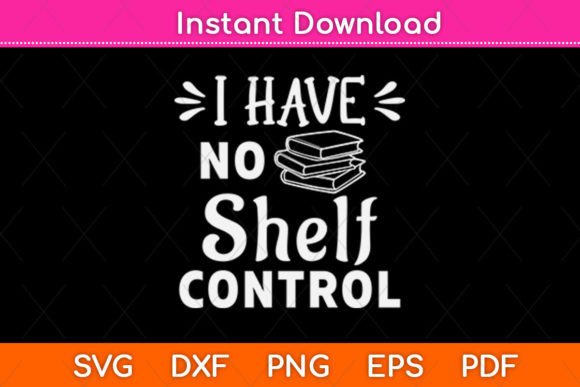
I Have No Shelf Control Embroidery Review
As a designer who spends more time troubleshooting stitch paths than sleeping, I approach every new digital asset with a healthy dose of skepticism. The market is flooded with generic text-based designs that look charming on a screen but turn into a tangled mess under the needle. That is why when I pulled up I Have No Shelf Control Funny Library, I didn’t just look at the preview image; I looked at the potential for real-world application. This isn’t just a cute phrase; it is a specific visual problem waiting to be solved by a well-executed machine embroidery design. Here is my honest breakdown of how this file performs when you move from the computer screen to the hoop.
The First Impression: Mood and Layout
The moment you load the I Have No Shelf Control Funny Library file into your digitizing software, the layout tells you exactly what kind of project this belongs to. It is not subtle. It is bold, humorous, and immediately recognizable. For designers working in the Crafts and Graphics space, understanding the "voice" of a design is half the battle won. This design speaks in a loud, playful whisper that resonates with book lovers, librarians, and anyone who has ever lost track of time in a bookstore.
Visually, the text-driven nature of this design requires careful consideration of font weight and spacing. In many cheaply digitized files, thin fonts disappear entirely during the stitching process, especially if the thread tension is slightly off. However, the personality here suggests a design meant to stand out. It creates an immediate emotional connection. When a customer sees this on a finished product, they don’t just see letters; they see a shared identity. That is powerful for brand consistency in a small business context.
Real-World Application: Where Does It Shine?
Let’s talk about where this embroidery file actually earns its keep. I recently had a client request a custom gift for her sister, a head librarian who was retiring after thirty years. She wanted something professional yet fun, something that could hang in the breakroom or be worn to a casual staff party. I Have No Shelf Control Funny Library was the perfect candidate.
This design excels on structured garments and accessories. Imagine this stitched onto a high-quality canvas tote bag design for a library fundraiser. The humor translates perfectly because the tote bag is already associated with carrying books. Alternatively, consider a sweatshirt embroidery project. A crewneck sweatshirt provides a flat, stable surface that allows the text to remain legible and crisp. The contrast between the fabric texture and the smoothness of a well-placed satin stitch on the lettering can make this design pop in a way that feels premium rather than mass-produced.
It also works exceptionally well as a personalized gift. Whether it is a baby embroidery piece for a future bookworm or a kitchen towel for a cozy reading nook, the versatility is high. For Etsy sellers and small shop products, this design offers a niche appeal that stands out against generic quotes. It targets a specific audience, which often leads to higher conversion rates because the buyer feels seen.
Technical Considerations and Potential Pitfalls
However, no design is without its challenges. As an experienced reviewer, I must point out where I Have No Shelf Control Funny Library might struggle if not handled with care. Text-based designs are notoriously unforgiving. If you attempt to stitch this on a highly textured fabric, such as a chunky knit or a rough burlap, the details will get lost. The fabric texture will compete with the thread, resulting in a muddy finish that looks amateurish.
Furthermore, avoid placing this design on stretchy fabrics like jersey knits unless you are using a heavy-duty stabilizer. Without proper support, the stitch density can cause the fabric to pucker, distorting the letters and making the joke harder to read. Similarly, be cautious with dark fabrics. If the default thread colors provided in the file are light, you may need to add a backing layer or adjust the color palette to ensure visibility. Always test your thread colors against your chosen material.
Another critical factor is the hoop size. If you are trying to squeeze this design into a very small hoop, you risk cutting off parts of the text or forcing the machine to work too tightly, which increases the risk of thread breaks. Conversely, if the design is large, ensure your machine’s reach accommodates it comfortably. Check the file specifications carefully before starting any production run.
Practical Designer Notes for Success
- Test on Scrap Fabric: Never trust a preview. Stitch a sample on the exact fabric you plan to use. This reveals issues with tension, pull compensation, and stability that only physical testing can show.
- Inspect Small Details: Zoom in on the original graphic. Are there tiny serifs or decorative accents that might not digitize well? If so, you may need to manually adjust the running stitch or fill stitch settings to preserve clarity.
- Check Licensing: Before you start selling these items, confirm the license terms. Does the purchase allow for commercial use? Can you sell unlimited finished products? This is crucial for commercial embroidery businesses to avoid legal headaches.
- Use Proper Stabilizer: The right stabilizer makes or breaks a text design. For woven fabrics, a tear-away might suffice. For knits, a cut-away is often necessary to maintain integrity over time.
- Black and White Mockups: Convert your design to black and white in your editing software. This helps you assess the balance and density without being distracted by color choices.
Final Verdict: Is It Worth the Investment?
Ultimately, I Have No Shelf Control Funny Library is a strong addition to any designer’s library, particularly those focusing on literary themes, educational gifts, or humorous apparel. It captures a specific cultural moment and turns it into a wearable or usable art piece. For craft business owners, it offers a low-risk, high-reward opportunity to tap into the passionate book-loving community.
The key to success lies in execution. Treat the design with respect. Choose high-quality threads, select appropriate fabrics, and pay attention to the finishing touches. When done correctly, this design transforms from a simple digital file into a handmade product that brings a smile to the recipient’s face. It is not just about stitching letters; it is about delivering a feeling. And in the world of handmade goods, that feeling is everything.
If you are looking to expand your range of design assets with something that combines wit with wearability, this is a solid choice. Just remember to do your homework on the technical side. Test, refine, and then create. Your customers will appreciate the professionalism, and your machine will thank you for the clean stitches.