Deck the Halls and Not Your SVG Design: Graphics for Crafts
In the world of digital publishing, visual assets are not merely decorative; they are functional tools that dictate reader engagement, trust, and conversion. As a blog designer and digital publisher who has spent years optimizing content for both search engines and human attention spans, I approach every new design asset with a critical eye. Today, I am reviewing Deck the Halls and Not Your SVG Design, a graphic resource that promises to bring festive cheer to your content strategy while maintaining professional integrity.
The product description highlights its utility for t-shirts and gifts, which initially suggests a craft-focused niche. However, for bloggers, affiliate marketers, and content creators, the value lies in how this graphic design asset can be repurposed to enhance editorial layouts, social media graphics, and downloadable resources. This review explores how Deck the Halls and Not Your SVG Design fits into a real-world publishing workflow, from featured images to lead magnets.
First Impressions: Editorial Mood and Visual Identity
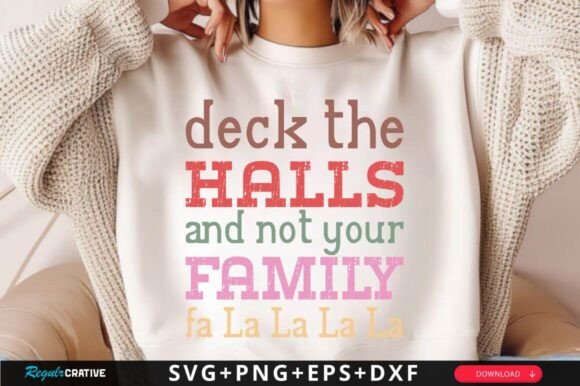
When you first load Deck the Halls and Not Your SVG Design, the immediate takeaway is its playful yet structured aesthetic. The phrase "Deck the Halls and Not Your" plays on the classic holiday carol, offering a witty twist that resonates well with lifestyle bloggers, humor-based content sites, and family-oriented niches. It feels modern design-wise, avoiding the cluttered look of older clip art while retaining enough seasonal warmth to feel inviting.
For editorial design purposes, this asset strikes a balance between being decorative and readable. It does not scream for attention so loudly that it distracts from the headline, but it is distinct enough to create a memorable brand identity during the holiday season. Whether you are running an affiliate marketing campaign for holiday gifts or publishing a personal newsletter, this creative design element adds a layer of personality that helps differentiate your content in a crowded feed.
Real-World Publishing Applications
While the original intent may lean toward physical crafts like t-shirt printing, the versatility of an SVG file makes it an invaluable tool for digital publishers. Here is how I recommend integrating Deck the Halls and Not Your SVG Design into your content ecosystem:
- Blog Featured Images: Use the design as a background overlay for your holiday-themed posts. Because it is vector-based, you can scale it up without losing quality, ensuring your web design looks crisp on high-resolution displays.
- Pinterest Pins: Pinterest is a visual search engine. Create pins using this asset to drive traffic to your holiday guides. The catchy text within the design serves as excellent hook copy, encouraging clicks from users looking for festive inspiration.
- Newsletter Headers: Break up the monotony of text-heavy emails by inserting this graphic at the top of your monthly digest. It signals a shift to seasonal content and boosts open rates through visual novelty.
- Digital Guides and eBooks: If you are creating a downloadable holiday checklist or a gift guide, use this as a cover image or section divider. It transforms a simple PDF into a polished digital product.
- Social Media Graphics: Repurpose the SVG for Instagram stories or Facebook posts. Its clean lines ensure it remains legible even when viewed on small mobile screens.
Impact on Content Performance and Reader Trust
Consistency in visual hierarchy is key to building reader trust. When your blog features a cohesive set of design assets, visitors perceive your site as more authoritative and professional. By incorporating Deck the Halls and Not Your SVG Design strategically, you signal that your content is curated and cared for.
This asset supports stronger first impressions. A well-designed header or thumbnail stops the scroll. In the context of content marketing, stopping the scroll is half the battle. Furthermore, using high-quality graphics rather than generic stock photos helps establish a unique brand identity. Readers begin to associate your specific visual style with your voice, leading to higher return visit rates.
Additionally, this design works exceptionally well for affiliate marketing visuals. Holiday seasons are peak times for affiliate revenue. Using festive, engaging graphics around product recommendations can increase click-through potential by making the offers feel timely and relevant.
Where the Design Shines
The strengths of Deck the Halls and Not Your SVG Design are most evident in hero images and article thumbnails. It provides a perfect backdrop for bold typography, allowing your headlines to pop against the festive elements. It also excels as an editorial accent—used sparingly to break up long-form articles or to highlight quotes. For small business branding, it offers a quick way to refresh your website’s look for the holidays without a full redesign.
Areas Requiring Caution
However, no single asset is universally perfect. There are scenarios where Deck the Halls and Not Your SVG Design should be used carefully:
- Small Mobile Thumbnails: Due to the intricate details often found in holiday designs, the text and graphics may become blurry or unreadable on very small screens. Always test at 150x150 pixels before finalizing.
- Text-Heavy Blog Images: Avoid placing too much body text directly over the design. Let the graphic breathe. Use it as a frame or corner accent rather than a full-page background if your text is dense.
- Low-Contrast Backgrounds: Ensure your background color contrasts sufficiently with the SVG. A busy layout combined with a detailed graphic can create visual noise that confuses the user interface.
- Serious Professional Niches: If you operate in a corporate, legal, or financial sector, this playful design might undermine your authority. Reserve it for lifestyle, parenting, education, or creative blogs.
Practical Publisher Notes for Implementation
To get the most out of this commercial design asset, follow these technical best practices:
- Test Across Devices: View the design on desktop, tablet, and mobile. Check how it interacts with your theme’s responsive settings.
- Preview in Context: Do not view the SVG in isolation. Place it inside your actual blog layout. See how it sits next to your serif font for headings and sans serif font for body text. You may need to adjust margins or padding to achieve optimal visual hierarchy.
- Check Contrast and Readability: Use a contrast checker tool to ensure any overlaid text meets accessibility standards (WCAG). This improves SEO and inclusivity.
- Font Pairing: Experiment with different typefaces. A script font might complement the whimsical nature of the design, while a handwritten font could add a personal touch. Conversely, a bold display font might be needed to compete with the graphic’s detail.
- File Size Optimization: Even though SVGs are lightweight, converting them to PNG for certain platforms can increase file size. Compress images properly using tools like TinyPNG to maintain fast page load speeds, which is crucial for web design performance.
- Verify Licensing: Before using this asset on monetized websites, affiliate pages, or paid content products, confirm your commercial license. Ensure you have the right to use it for digital download products or promotional materials.
Final Verdict
Deck the Halls and Not Your SVG Design is more than just a cute holiday image; it is a strategic tool for enhancing your digital presence. While marketed towards crafters and t-shirt lovers, its true power for publishers lies in its ability to elevate editorial content, boost social media engagement, and reinforce brand identity during the busiest time of the year.
By integrating this asset thoughtfully into your Canva templates, newsletter headers, and Pinterest pins, you can create a cohesive, professional, and festive experience for your readers. It bridges the gap between casual creativity and serious content marketing, making it a worthy addition to your library of graphics and crafts-inspired design resources.