All I Want for Christmas is a SVG Design: A Graphic Designer’s Review
As a graphic designer, I spend most of my days evaluating visual assets not just for their aesthetic appeal, but for their functional viability in real-world client projects. When a new SVG design lands on my desk, especially one tied to the high-volume holiday season, I look beyond the surface. I need to know if it can hold up under the pressure of brand identity work, merchandise production, and diverse marketing visuals. Recently, I reviewed a festive asset titled "All I Want for Christmas is a SVG Design." At first glance, it appears to be a standard holiday greeting, but a deeper look reveals its potential as a versatile graphic design asset for various commercial applications.
This review breaks down how this specific design performs when integrated into professional workflows, from Cricut projects to print-on-demand strategies. Whether you are a small business branding expert or an independent creator looking to expand your Etsy product line, understanding the nuances of this asset is crucial before committing it to a final deliverable.
First Impressions and Visual Mood
The immediate impression of "All I Want for Christmas is a SVG Design" is one of approachable warmth. In the crowded space of creative marketplace items, holiday designs often fall into two camps: overly ornate and traditional, or starkly minimalist. This asset strikes a balance that makes it suitable for a wide range of audiences. The typography feels friendly and inviting, leaning towards a style that resonates well with handmade business owners who want to convey personal connection rather than corporate stiffness.
The visual elements suggest a playful yet clean aesthetic. It does not rely on heavy gradients or complex shading, which is a significant advantage for sublimation design and screen printing. The simplicity allows the message to take center stage, making it an excellent candidate for t-shirt design where readability is paramount. For designers working on seasonal campaigns, this mood translates easily into social media graphics that aim to boost engagement through relatable, lighthearted content.
Practical Applications in Client Projects
In my experience, the true test of any digital product is its adaptability. Here is how this design fits into common professional scenarios:
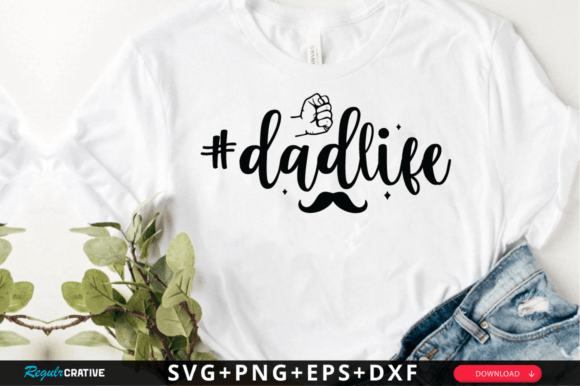
- Merchandise and Apparel: The description notes that this design is perfect for sweet t-shirts. From a technical standpoint, vector-based SVG design files allow for infinite scalability without losing quality. This means the same file can be used for a small chest print on a polo shirt or a large back print on a hoodie. The clean lines ensure that the text remains crisp even when reduced in size for tags or labels.
- Packaging Design: For brands launching limited-edition holiday collections, this asset can serve as a key element on gift tags, wrapping paper patterns, or box inserts. Its versatility allows it to act as both a focal point and a decorative accent within a larger packaging design system.
- Social Media and Digital Ads: In the realm of social media graphics, visual hierarchy is critical. This design provides a clear focal point that can be paired with supporting brand elements like logos or call-to-action buttons. It works exceptionally well for Instagram posts and Pinterest pins, where users scroll quickly and need immediate visual recognition.
- Printable Wall Art: As a printable design, it offers a low-cost entry point for customers. Designers can frame this asset in various styles, from rustic wood to modern metal, catering to different interior design trends. This expands its utility beyond apparel into home decor, increasing its value as a design bundle component.
Strategic Placement and Limitations
No single asset is a silver bullet. While "All I Want for Christmas is a SVG Design" has strong merits, there are specific contexts where it requires careful handling. Understanding these limitations is what separates a novice user from a seasoned professional.
This design thrives in large layout areas and hero graphics. When placed prominently on a poster, flyer, or website banner, its charm shines through. However, caution is advised when using it in small sizes or crowded layouts. If the text becomes too minute, the emotional appeal diminishes, and the design may lose its impact. Additionally, on complex backgrounds or low-contrast designs, the asset might get lost visually. To maintain visual trust and recognition, always ensure sufficient negative space around the graphic.
Furthermore, while it is excellent for casual and creative branding, it may not be suitable for very clean visual hierarchy projects or professional corporate materials that demand a more serious tone. In such cases, a more subdued or classic typeface would be preferable. Recognizing these boundaries helps prevent mismatched aesthetics that could undermine a brand's overall coherence.
Technical Checklist for Designers
Before integrating this asset into a final client project, I recommend running through a rigorous technical checklist. This ensures that the commercial design meets industry standards for quality and usability.
- Black and White Test: Convert the design to grayscale to check contrast levels. This helps identify if the visual hierarchy holds up without the aid of color.
- Mockup Preview: Place the design on real mockups, such as t-shirts, mugs, or tote bags. This reveals how the artwork interacts with textures and curves, which flat previews cannot show.
- File Format Inspection: Verify the file formats included. An SVG design is ideal for editing and scaling, while a PNG design with transparency is useful for quick placements. Ensure the SVG paths are clean and uncomplicated to facilitate easy editing in software like Adobe Illustrator or Cricut Design Space.
- Font Compatibility: Analyze the font styles used. Compare the asset’s typography with serif fonts, sans serif fonts, script fonts, handwritten fonts, and display font styles to see how it complements other brand elements. If the font is proprietary, confirm licensing terms.
- Commercial Licensing: This is perhaps the most critical step. Always review the commercial license associated with the asset. Determine if you have the right to use it for multiple clients, limit the number of physical products sold, or if restrictions apply to digital resale.
Final Verdict
"All I Want for Christmas is a SVG Design" proves to be a robust and adaptable tool for designers navigating the holiday rush. Its ability to bridge the gap between casual fun and professional execution makes it a valuable addition to any design assets library. It supports a variety of use cases, from sticker design to web design accents, offering flexibility that appeals to both content creators and established agencies.
By carefully considering its placement, testing its technical performance, and respecting licensing agreements, designers can leverage this asset to create polished, engaging, and commercially successful projects. It is not just a cute holiday image; it is a strategic component that can enhance the visual mood of a campaign and drive audience engagement. For those looking to add a touch of festive cheer to their modern design portfolio, this asset delivers on both aesthetic and functional fronts.